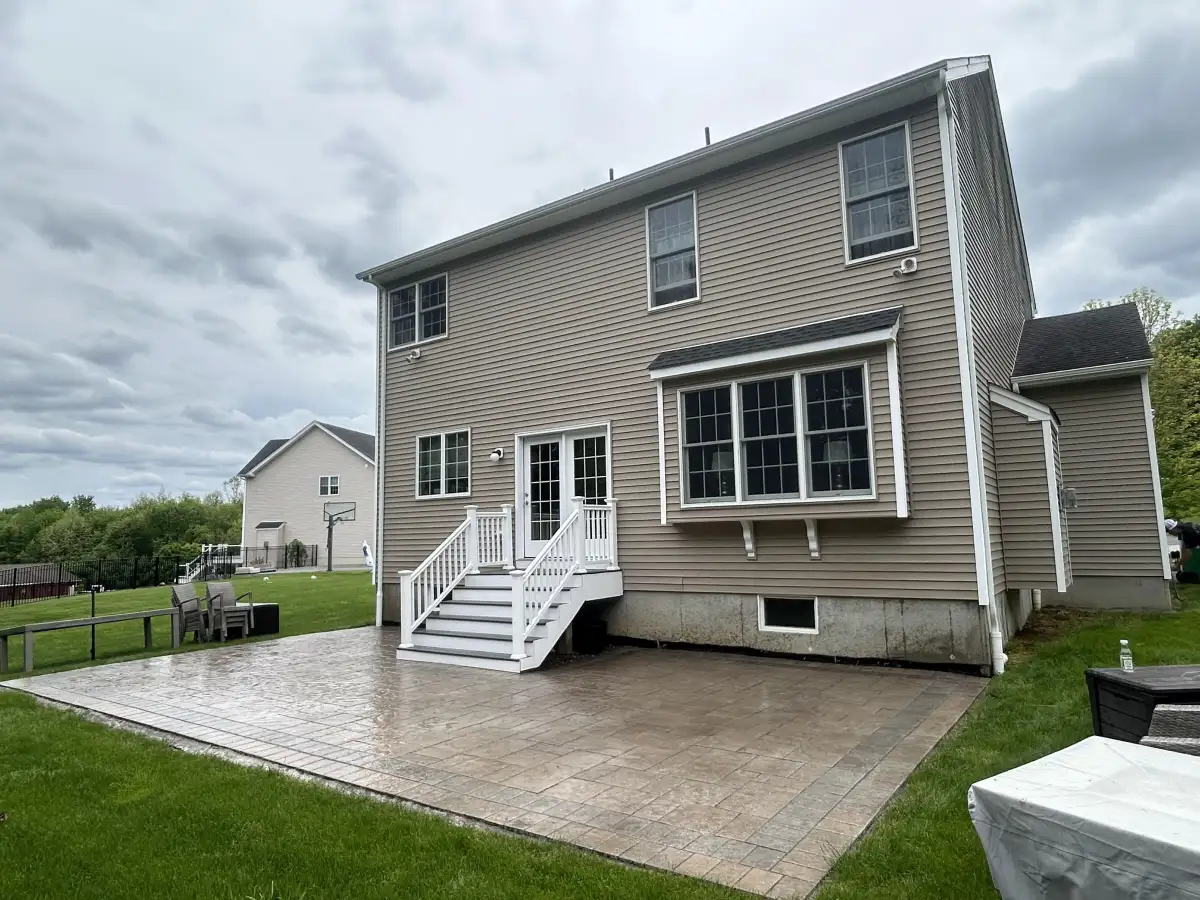
A well-designed paver patio can completely transform your backyard into a functional outdoor living space. Whether you want a cozy fire pit area or a full outdoor dining setup, the right patio design starts with understanding your options. Here in Hopewell Junction and across Dutchess County, we build patios that stand up to New York winters while looking great year-round.
Popular Patio Styles for Dutchess County Homes
The best patio design depends on how you plan to use the space, the size of your yard, and how it connects to your home. Here are the styles we install most often for homeowners in the Hopewell Junction area:
Fire Pit Patios
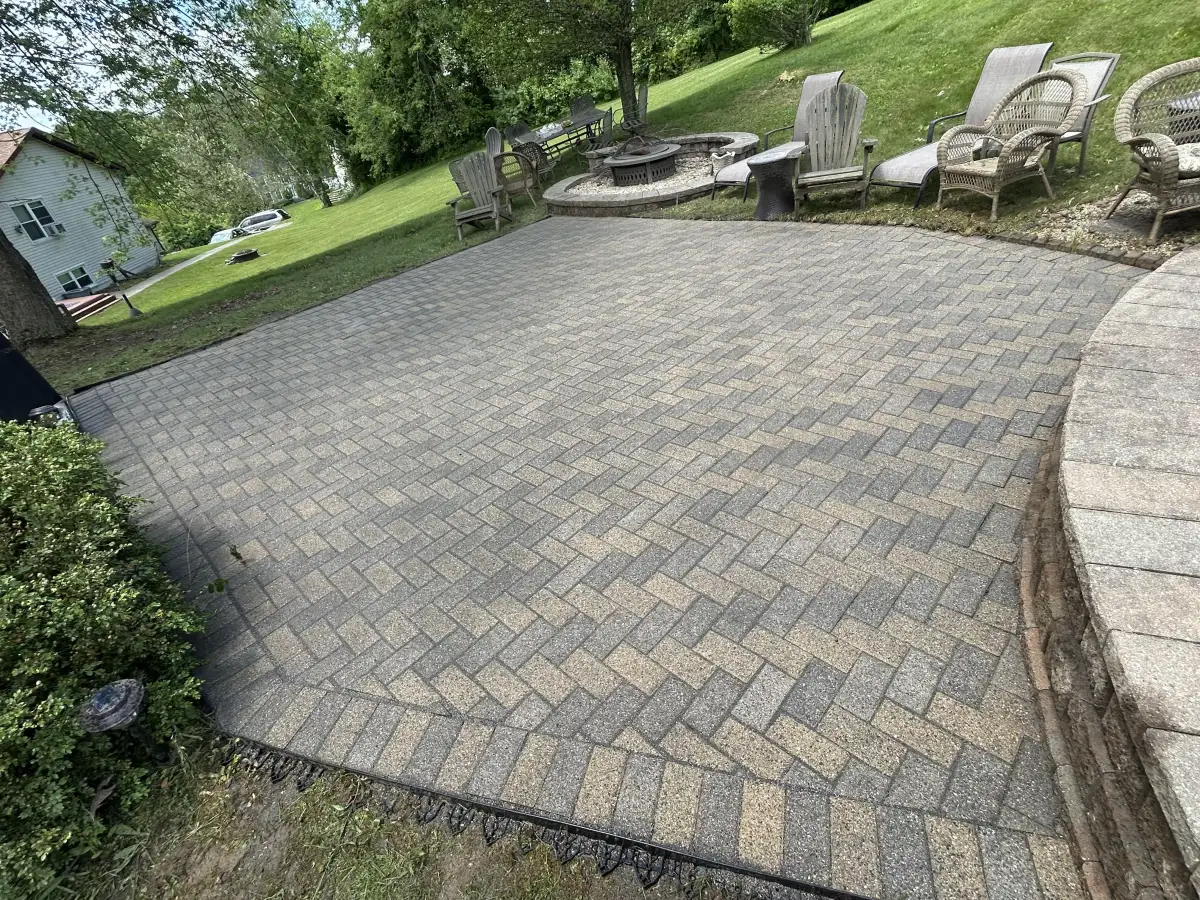
A patio built around a central fire pit is one of the most requested designs we see. The fire pit becomes the focal point, with a circular or square patio extending outward to provide seating space. For Dutchess County homeowners, a fire pit patio extends your outdoor season well into fall and makes spring evenings much more enjoyable. We typically recommend a minimum patio size of 14 by 14 feet to give enough room around the fire pit for chairs and foot traffic.
Outdoor Dining Patios
If your main goal is a space for family meals and hosting guests, the patio should be sized for a table and chairs with room to move around. A 12 by 16 foot patio comfortably fits a six-person dining set with circulation space. For larger gatherings, 16 by 20 feet or bigger gives you room for a buffet table and additional seating.
Walkway-Connected Patios
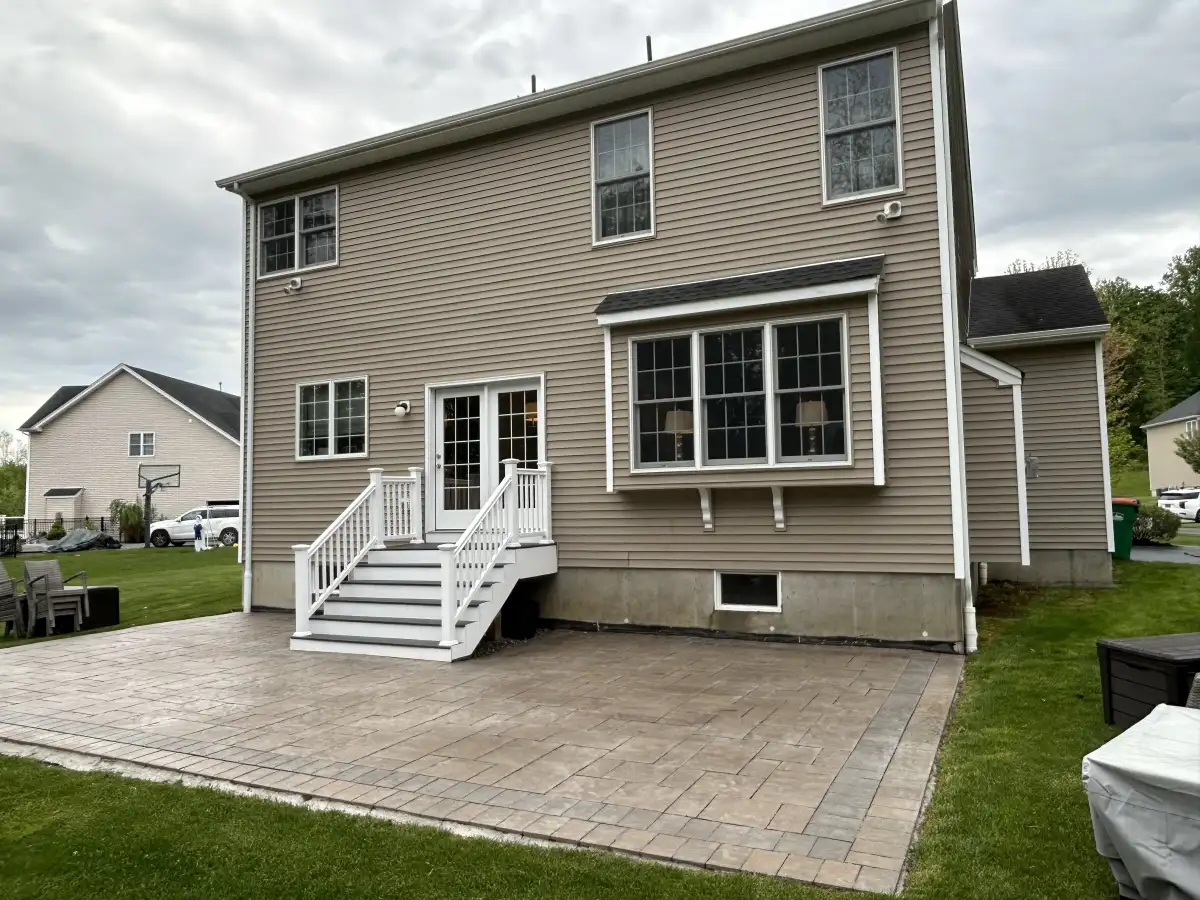
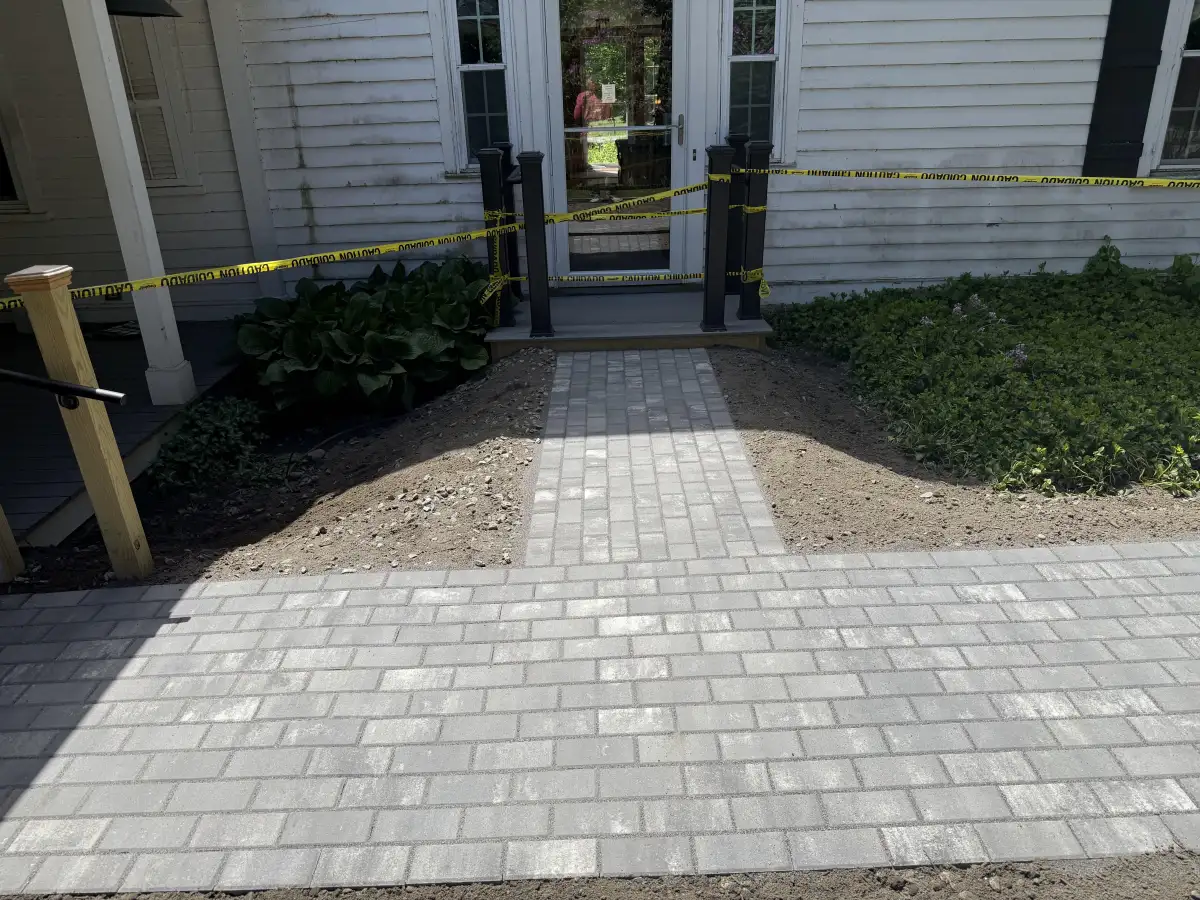
A patio that connects to the house via a paver walkway creates a cohesive look across your property. We often pair a front walkway with a backyard patio using the same paver material, tying the whole property together. This approach is especially popular in Hopewell Junction neighborhoods where curb appeal matters.
Pool Surrounds
Pavers around a pool need to be slip-resistant and handle constant water exposure. Textured concrete pavers or tumbled natural stone work best for pool decking. The material should stay cool underfoot in summer sun and drain quickly to prevent puddles.
Materials Comparison: Concrete Pavers vs. Natural Stone vs. Stamped Concrete
Each material has trade-offs in cost, durability, maintenance, and appearance. Here is how they compare for Dutchess County installations:
Concrete Pavers
Concrete pavers are the most popular choice for residential patios in our area. They come in dozens of colors, shapes, and textures, and they are manufactured to consistent dimensions, which makes installation efficient. High-quality concrete pavers are rated for at least 8,000 PSI compressive strength, meaning they handle freeze-thaw cycles without cracking. If a paver does crack or stain years down the road, you can replace that single unit without disturbing the rest of the patio.
Cost range: $15 to $30 per square foot installed, depending on the paver style and pattern complexity.
Natural Stone
Flagstone, bluestone, and granite are the natural stone options we work with most. Natural stone gives a more organic, high-end look that blends well with the wooded, hilly landscapes common in Dutchess County. The trade-off is higher material cost and more labor-intensive installation since each piece is a unique shape and thickness.
Cost range: $25 to $50+ per square foot installed.
Stamped Concrete
Stamped concrete is a single poured slab that gets textured and colored to mimic pavers or stone. It costs less upfront than individual pavers or natural stone, but it has a significant downside in our climate: when a stamped concrete slab cracks (and in Dutchess County's freeze-thaw environment, it will eventually), the repair is visible and rarely matches the original. Pavers flex with ground movement; concrete does not.
Cost range: $12 to $22 per square foot installed.
Choosing the Right Paver Pattern
The pattern you choose affects both the look and the structural integrity of your patio. Here are the most common options:
- Running bond: The simplest pattern, similar to a brick wall. Pavers are staggered in rows. It is a clean, modern look that works well for walkways and smaller patios.
- Herringbone: Pavers are set at 45 or 90 degree angles to create a zigzag pattern. This is one of the strongest patterns because the interlocking angles resist shifting under load. We recommend herringbone for driveways and high-traffic patios.
- Basketweave: Pairs of pavers alternate direction in a woven appearance. It gives a classic, traditional look that complements colonial and craftsman-style homes common in the Dutchess County area.
- Random or ashlar: Multiple paver sizes are mixed together in a planned randomness. This creates a natural stone appearance and works especially well with tumbled pavers.
- Circle or fan pattern: Used as an accent within a larger patio, often around a fire pit or as a central medallion. These take more cutting and installation time but create a real focal point.
Patio Sizing Guide
One of the most common mistakes homeowners make is building a patio that is too small. Here are practical minimum sizes based on intended use:
- Dining area (4 to 6 people): Minimum 10 by 12 feet, ideally 12 by 14 feet
- Dining area (8+ people): 14 by 16 feet or larger
- Fire pit with seating: Minimum 14 by 14 feet (allows 3 to 4 feet of clearance around a standard 36-inch fire pit)
- Entertainment patio with grill and seating: 16 by 20 feet is a good starting point
- Full outdoor kitchen and dining: 20 by 24 feet or larger
When in doubt, go bigger. The incremental cost of adding a few extra feet during installation is far less than tearing up and expanding a patio later.
Maintenance Tips for New York Climate
Dutchess County's freeze-thaw cycles, heavy snow, and spring rains mean your patio needs some seasonal attention to stay in top shape:
- Polymeric sand: The joints between pavers are filled with polymeric sand, which hardens when wet and prevents weed growth and ant infiltration. Check the joints each spring and reapply if sand has washed out over winter.
- Sealing: A penetrating paver sealer applied every 2 to 3 years protects against UV fading, oil stains, and makes the pavers easier to clean. It also enhances the color. We recommend water-based sealers for our climate since they allow moisture to escape and reduce the risk of trapped water freezing under the surface.
- Snow removal: Use a plastic shovel or snow blower on paver patios. Avoid metal shovels that can chip paver edges. Rock salt is safe for concrete pavers but avoid calcium chloride, which can leave white residue.
- Weed control: If weeds pop up in joints, pull them before they establish deep roots. A properly installed patio with compacted base material and polymeric sand should have minimal weed issues.
- Leveling: After a few years, individual pavers may settle slightly due to ground movement. Lifting and re-leveling individual pavers is a simple repair that does not require disturbing the rest of the patio.
Cost Ranges for Dutchess County Patios
Patio costs depend on size, materials, site preparation, and design complexity. Here is what you can expect for a professional installation in the Hopewell Junction and Dutchess County area:
- Basic concrete paver patio (200 sq ft): $3,000 to $6,000
- Mid-range paver patio with border accent (300 to 400 sq ft): $6,000 to $12,000
- Large entertainment patio with fire pit (400 to 600 sq ft): $10,000 to $20,000
- Natural stone patio: Add 40% to 60% over comparable concrete paver pricing
These estimates include excavation, base preparation, edging, pavers, polymeric sand, and basic grading. Site conditions like significant slope, poor drainage, or difficult access can add to the cost. We provide detailed, itemized quotes so you know exactly what you are paying for.
Ready to Design Your Patio?
Every great patio starts with a conversation about how you want to use the space. We will visit your property, discuss your ideas, and put together a detailed plan with material options and pricing. Check out our hardscaping services page for more on what we build, or browse our landscaping services if you want to pair your new patio with fresh plantings.
Get started with a free estimate. Contact us online or call (845) 372-7768 to schedule your consultation.